Topic
poster
One studio. Every leading AI image model. Pick the right tool for each prompt — no juggling subscriptions.
images.indexed
3
last_7_days
2
page.type
Topic
top.engine
nano-banana
// AI summary
PLACARD · N° 01
How to use the poster topic page
PLACARD · N° 01
poster collects real public generations, prompt language, related visual styles, and model choices around one AI image topic. Use it as a field guide: study the recurring vocabulary, compare example prompts, then start from the prompt bar with a clearer brief.
-
›
poster images are grouped by prompt-derived topic tags and filtered for public indexing.
-
›
Prompt examples show beginner, intermediate, and advanced levels of specificity.
-
›
Related topics help you move sideways into adjacent styles instead of starting over.
-
›
The model recommendations show which engines currently have the strongest footprint.
// About poster
About poster
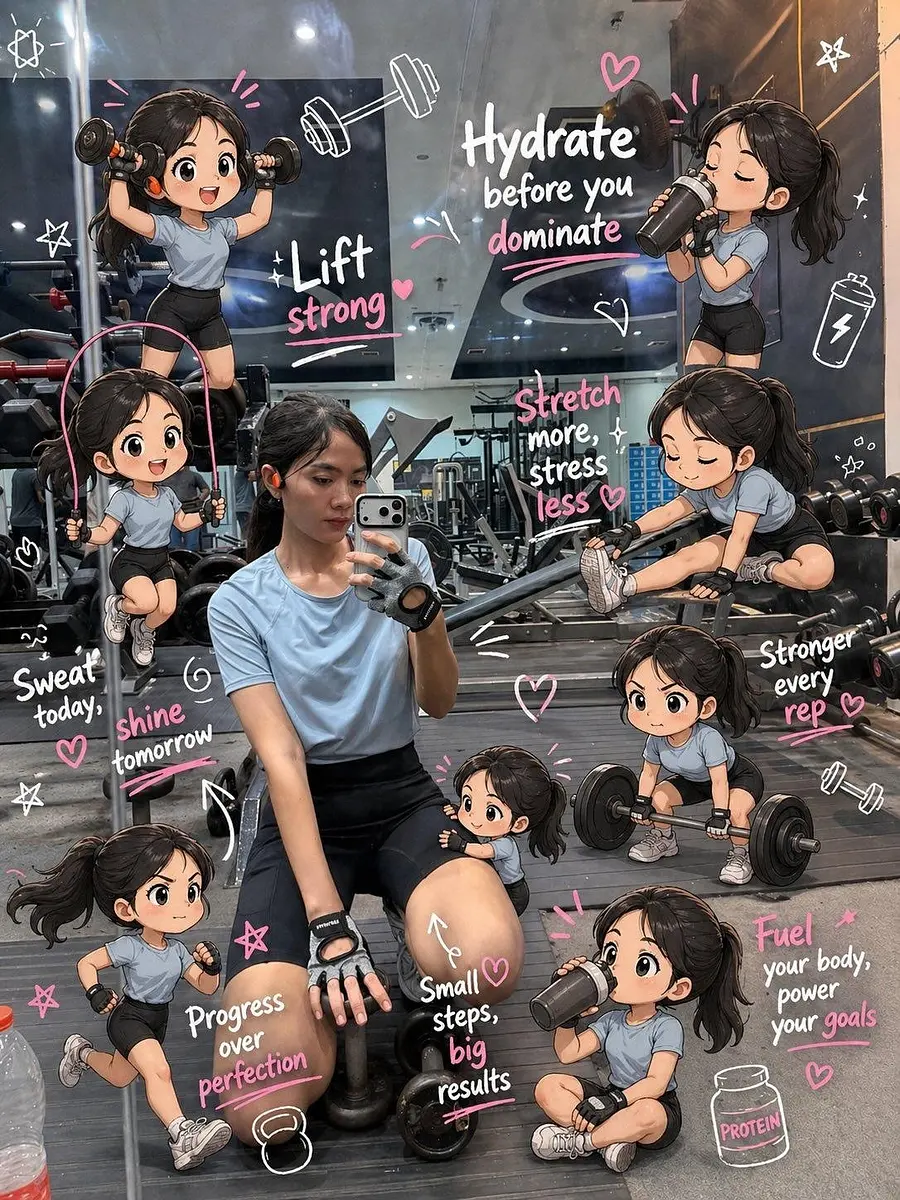
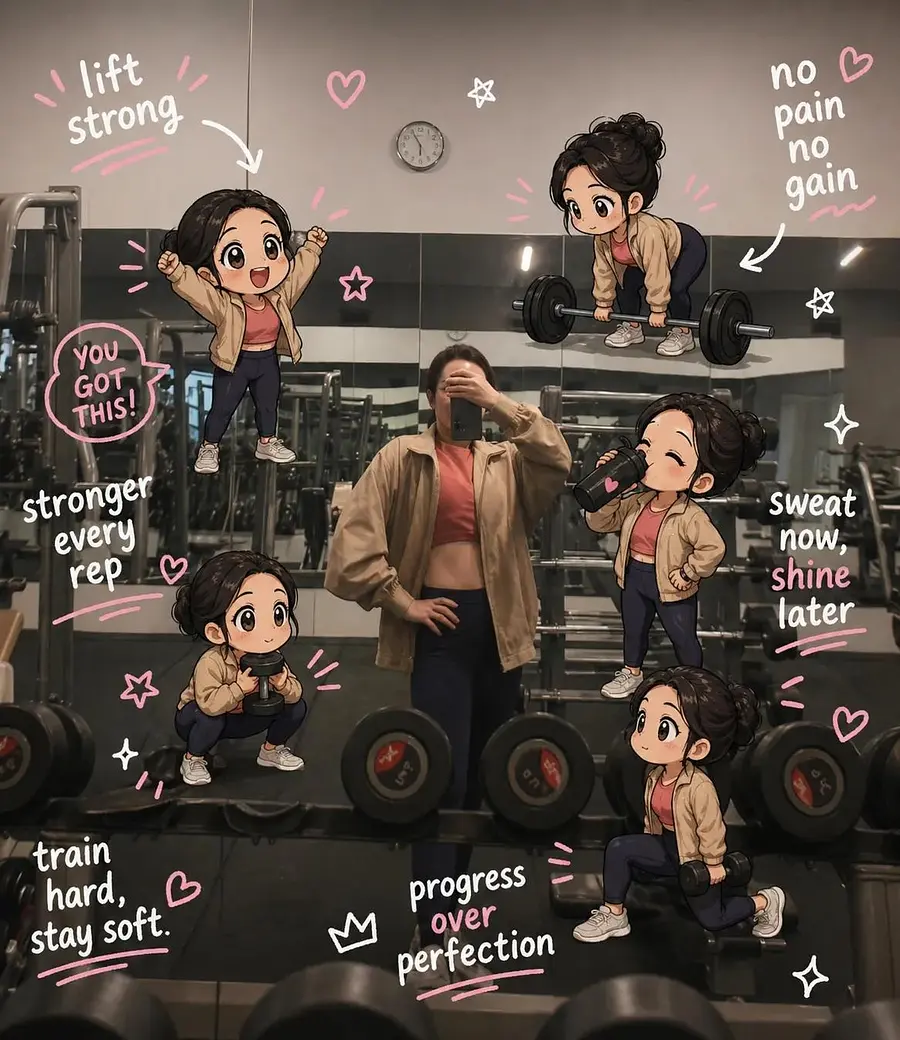
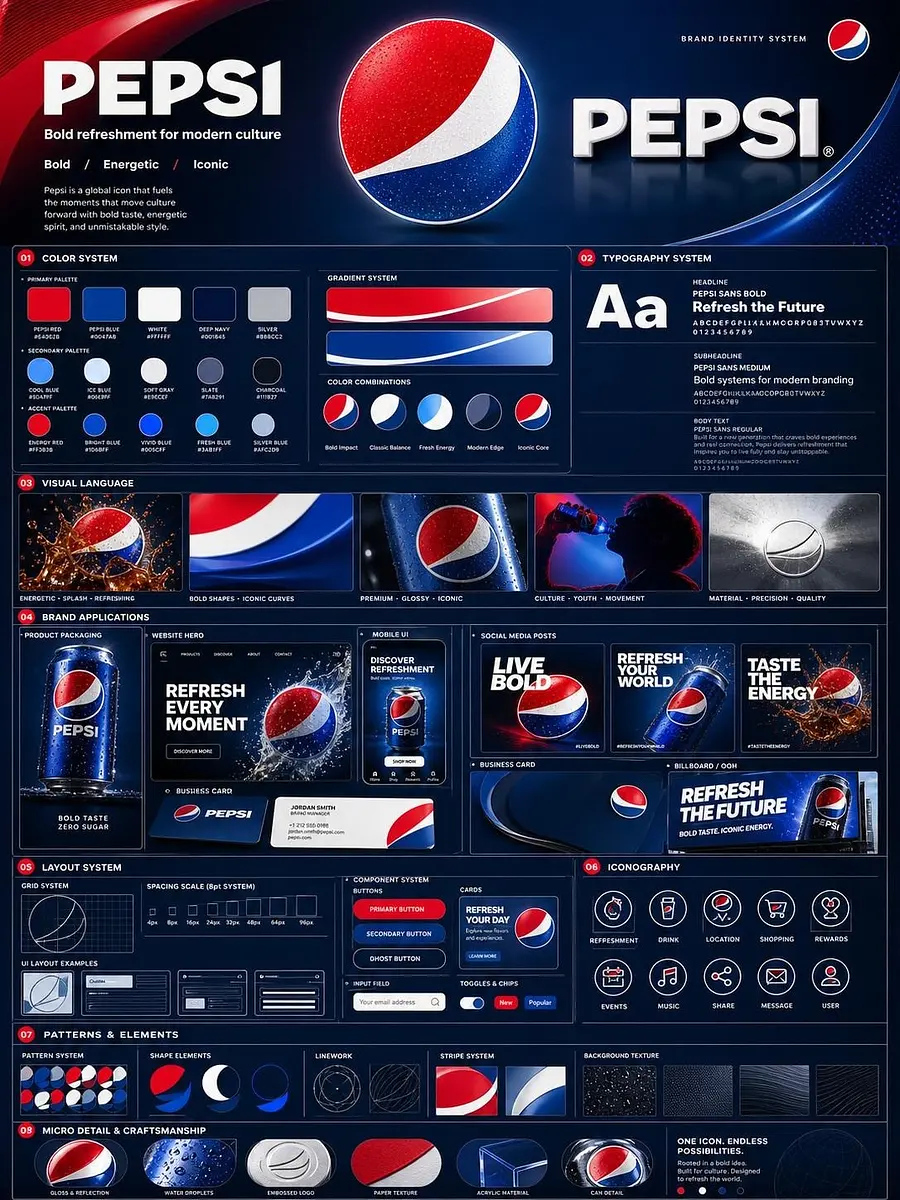
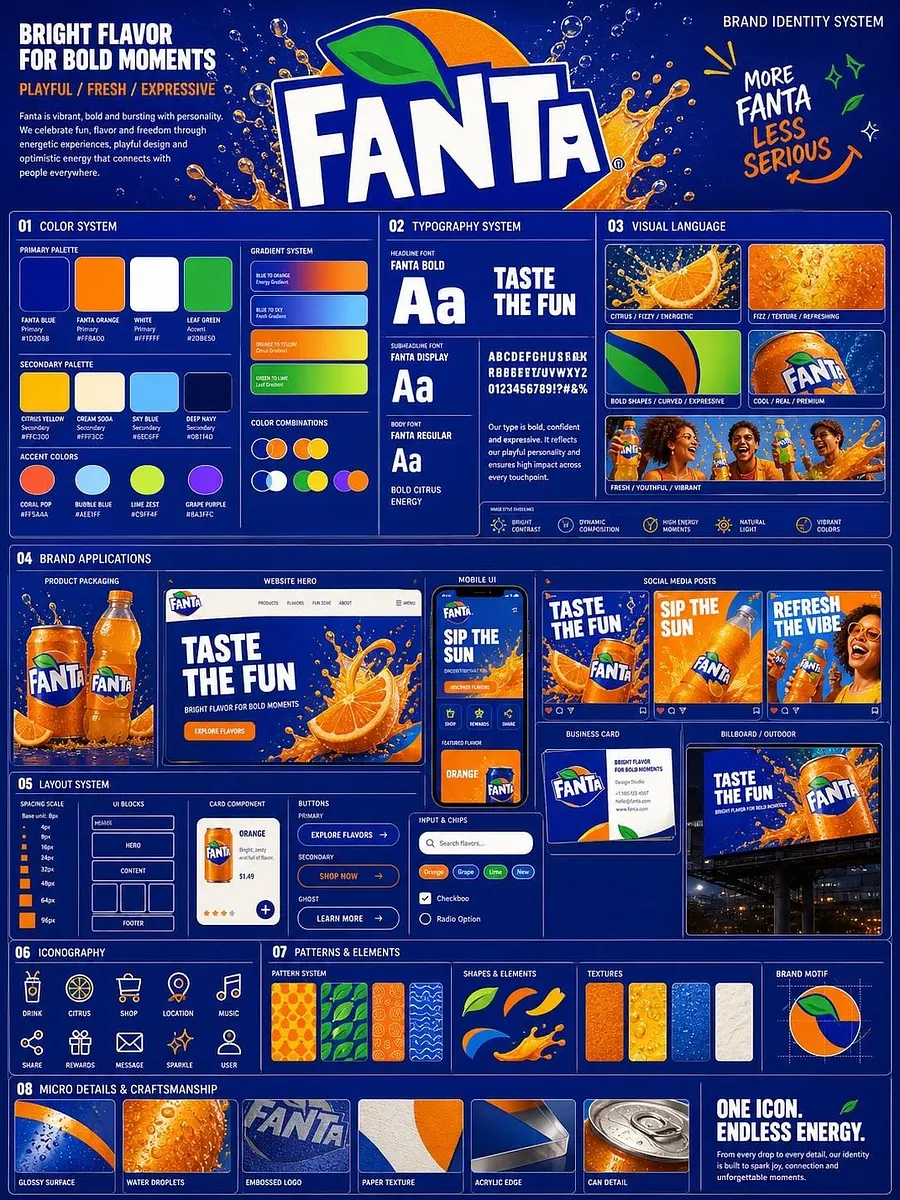
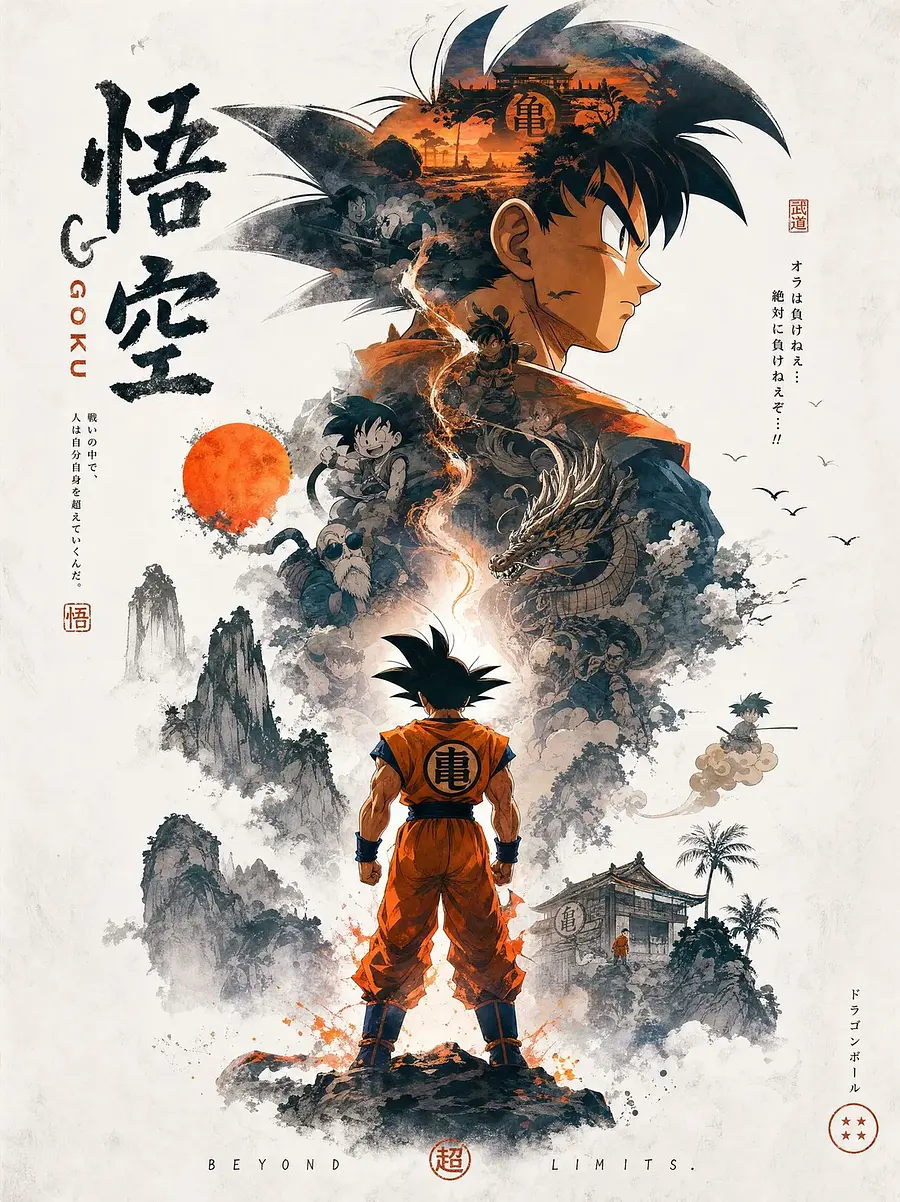
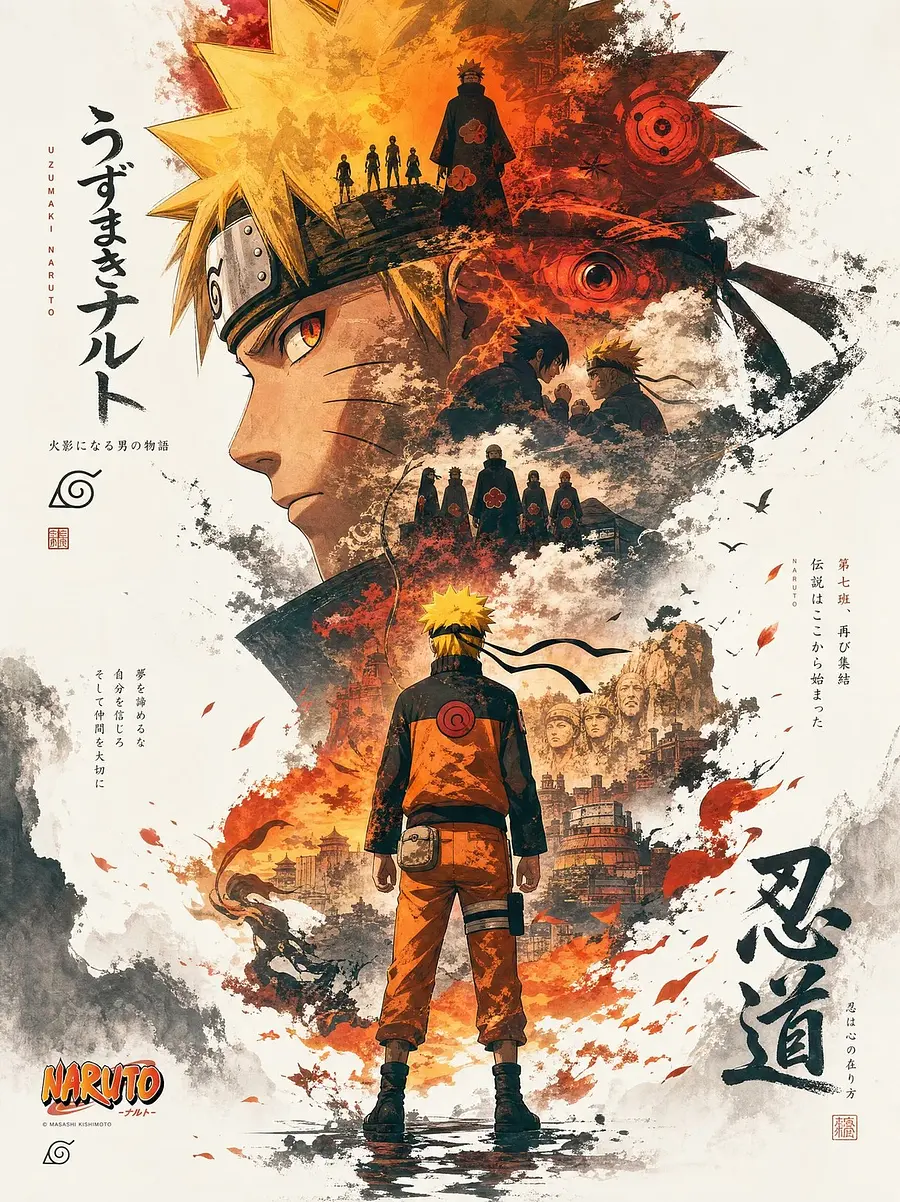
poster is a popular AI image topic on imagev2.me, shaped by real prompts and published community results. Use this page to study how creators describe subjects, styles, lighting, mood, and composition before you write your own prompt. The gallery below shows crawlable examples, while the prompt bar lets you start from the same topic in the studio.
// Visual vocabulary for poster
PLACARD · N° 02
Visual vocabulary for poster
Common prompt ingredients that give poster images their recognizable texture.
VOC / 01
subject
Name the main object or character before adding style so the model has a stable anchor.
VOC / 02
environment
Describe the location, weather, era, and material context that surround the subject.
VOC / 03
light
Use concrete light sources such as window light, neon, overcast sky, flash, or candlelight.
VOC / 04
camera
Lens, angle, crop, distance, and motion cues help make the output feel intentional.
VOC / 05
finish
Add texture, palette, film stock, render style, or post-production language last.
// Prompt examples for poster
Prompt examples for poster
Beginner
subject + style
Generate a picture of picture 3, 4 and 5, pinning picture 6 guy on the ground (Like Picture 1 as reference) + mud and dirt on the guy who's getting pinned down (The 6th picture guy) with the style of the 2nd picture (The blue lightning effects) and a overhead text saying "27th against corrupted mods" in a 3d blue with golden rim text. Keep the characters (Keep Picture 3, 4, 5 and 6 as identical on the given pictures as possible on the output picture) Also dont include the persons on 1 and 2, just use them as reference
Intermediate
scene + light
Generate a picture of picture 3, 4 and 5, pinning picture 6 guy on the ground (Like Picture 1 as reference) + mud and dirt on the guy who's getting pinned down (The 6th picture guy) with the style of the 2nd picture (The blue lightning effects) and a overhead text saying "27th against corrupted mods" in a 3d blue with golden rim text. Keep the characters (Keep Picture 3, 4, 5 and 6 as identical on the given pictures as possible on the output picture) Also dont include the persons on 1 and 2, just use them as reference
Advanced
constraints + lens
AI signature generator poster based on awesome-gpt-image-2 Case 400. Create a premium vertical 9:16 signature style selection poster for the name "Gary". White / warm-gray minimalist editorial background with at least 40% negative space. Top title: "Which signature fits Gary?" Subtitle: "Six writing energies, one personal mark." Arrange 6 clean cards in a 2 x 3 grid. Each card shows a distinct handwritten signature concept derived from the name Gary: 1) minimal rational brand mark, 2) bold expressive flourish, 3) relaxed casual handwriting, 4) eastern brush-inspired flow, 5) sharp geometric structure, 6) experimental designer autograph. For every card, make the pen stroke feel physically written: visible pressure changes, entry stroke, connected rhythm, structural tilt, and unique terminal stroke. Add small tasteful labels under each signature. Black, charcoal, champagne, cool gray and subtle ink accents only. Premium Apple-keynote lighting, fine paper texture, very clean typography, high-end magazine layout. Avoid cheap fonts, random calligraphy, messy colors, oversized UI cards, and generic template feeling.
// How to write a poster prompt
PLACARD · N° 03
01
Anchor the subject
Start with the concrete subject, product, person, place, or scene you want the model to prioritize.
02
Add visual vocabulary
Layer in environment, lighting, camera, palette, and finish so the topic becomes a visual brief.
03
Choose the engine
Use the recommended model for the topic, then switch if you need faster drafts or more polished output.
04
Iterate from one variable
Change one element at a time — lens, aspect ratio, model, or style — so you can see what caused the improvement.
// Best models for poster
// poster vs related styles
PLACARD · N° 04
// Related topics
// Frequently asked questions
Frequently asked questions
Q01
What is poster?
poster is a tag used to group public AI images, prompts, and model outputs around the same visual idea. It helps you compare how different creators describe the subject and what kinds of images those prompts produce.
Q02
Best model for poster?
The best model depends on your target look. Start with the prompt bar on this page, then switch models in the studio if you need faster drafts, sharper text, higher resolution, or a more editorial style.
Q03
How to write prompts for poster?
Begin with the subject, then add scene, composition, lighting, palette, and output intent. Specific nouns and constraints usually work better than vague adjectives, especially when you want a repeatable style.
Q04
Can I remix poster examples?
Yes. Open any public image or use a prompt example from this drawer. The studio can prefill the prompt and model so you can change one variable instead of starting from a blank canvas.
Q05
Why do related topics matter?
Related topics expose adjacent visual language. They are useful when poster feels close but not exact, because you can borrow modifiers without changing the whole prompt.
Q06
Are these poster images public?
The drawer only links to public, indexable community work. Private generations stay out of Explore, tag pages, sitemaps, and search crawling.
// Latest