Topic
studio lighting
One studio. Every leading AI image model. Pick the right tool for each prompt. No juggling subscriptions.
images.indexed
2
last_7_days
0
page.type
Topic
top.engine
nano-banana
// Latest
// About studio lighting
About studio lighting
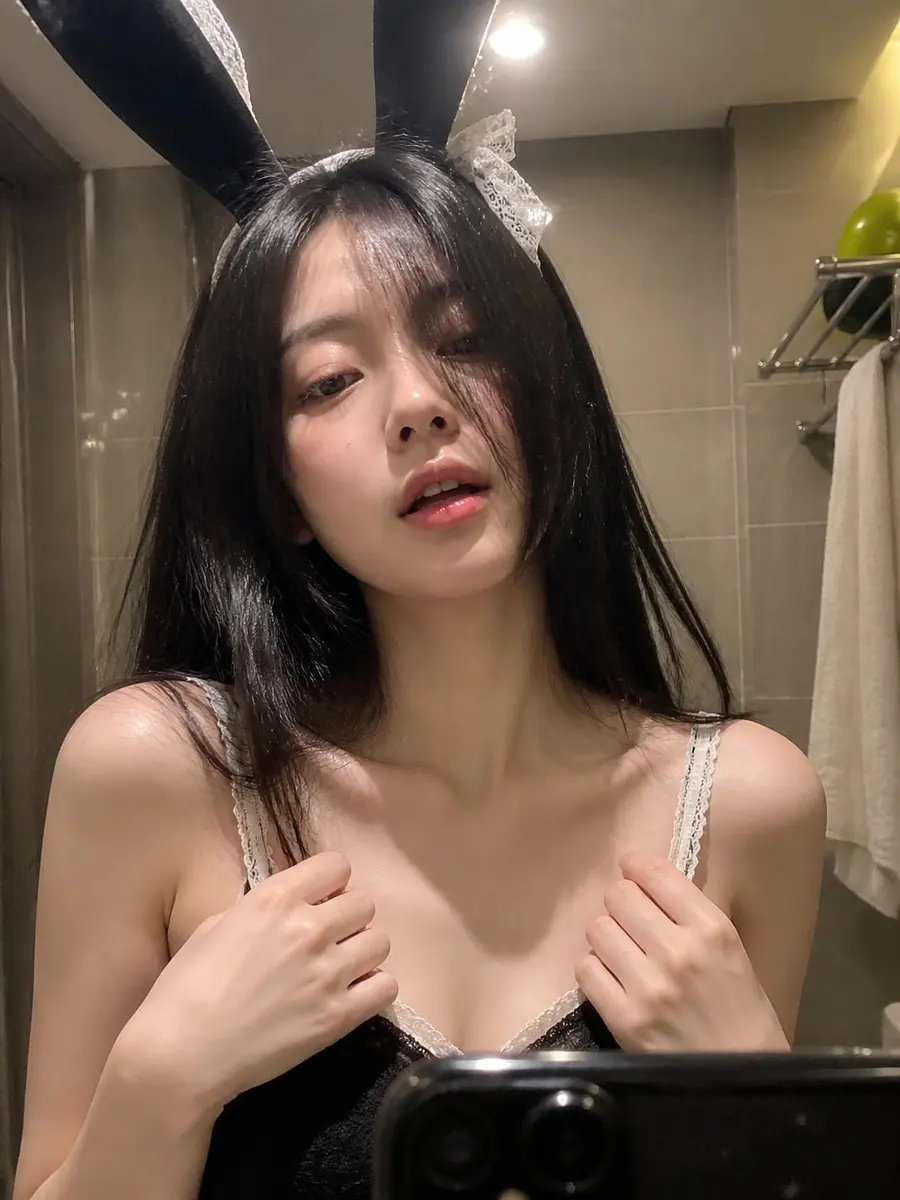
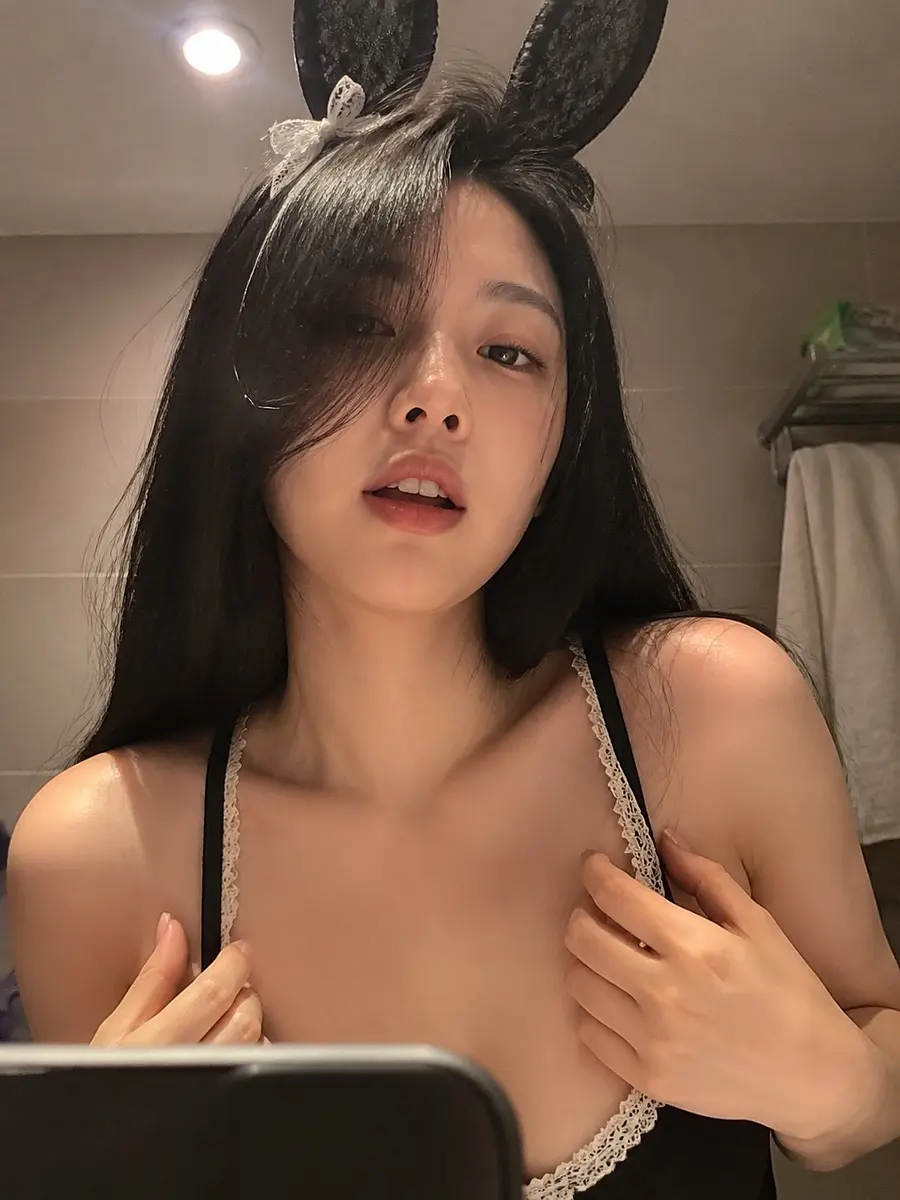
studio lighting is a curated AI image topic on imagev2.me that groups real public generations by prompt-derived tags — every image filtered for public indexing so you see verified community output, not cherry-picked samples. The page collects prompt language, related visual styles, and model choices around this single topic. Use it as a field guide: study how creators describe subjects, lighting, and composition at beginner through advanced levels, compare the visual vocabulary, then start from the prompt bar with a clearer brief. Related topics let you branch into adjacent styles without starting over, and model recommendations surface which engines currently produce the strongest results for studio lighting.
// Visual vocabulary for studio lighting
PLACARD · N° 01
Visual vocabulary for studio lighting
Common prompt ingredients that give studio lighting images their recognizable texture.
VOC / 01
subject
Name the main object or character before adding style so the model has a stable anchor.
VOC / 02
environment
Describe the location, weather, era, and material context that surround the subject.
VOC / 03
light
Use concrete light sources such as window light, neon, overcast sky, flash, or candlelight.
VOC / 04
camera
Lens, angle, crop, distance, and motion cues help make the output feel intentional.
VOC / 05
finish
Add texture, palette, film stock, render style, or post-production language last.
// Prompt examples for studio lighting
Prompt examples for studio lighting
Beginner
subject + style
Use this prompt on Google's nano banana model along with an image of yours:
"The Universal Corporate Headshot Prompt
Subject & Composition:
Create a photorealistic, high-resolution corporate headshot of the individual from the provided image, framed from the chest up. The subject should be rendered with a confident yet approachable expression, featuring a subtle and genuine smile to convey trustworthiness and professionalism. Ensure their posture is upright and relaxed, with shoulders slightly angled towards the camera for a dynamic composition.
Professional Attire:
Dress the subject in sharp, contemporary business attire. This should consist of a well-tailored dark suit jacket, in either navy blue or charcoal gray, worn over a crisp, white or light-blue collared shirt or blouse. The clothing must appear to be of high-quality fabric, perfectly fitted, and free of any wrinkles.
Studio Lighting:
Employ a classic and flattering studio lighting scheme. Use a soft key light to gently define and sculpt the facial features (loop lighting is preferred). Add a subtle fill light to soften shadows on the opposite side of the face, ensuring detail is preserved. Include a gentle hair light or rim light from behind to create clear separation from the background. It is critical that there are distinct, professional catchlights visible in the subject's eyes to bring them to life.
Background:
Place the subject against a seamless, solid, neutral-gray studio background. The background should be clean and unobtrusive, featuring a subtle, smooth gradient that is slightly darker at the bottom and lighter towards the top. This will add a sense of depth while ensuring the subject remains the sole focus.
Photographic Specifications:
The final image must emulate the quality of a professional DSLR camera equipped with an 85mm prime portrait lens, shot at an aperture of f/2.8. This will produce a shallow depth of field, rendering the subject's eyes and facial features in tack-sharp focus while the background is softly and pleasingly blurred (bokeh). The final output must be high-resolution, sharp, and entirely free of digital noise or artifacts.
Press enter or click to view image in full size
"
Intermediate
scene + light
Ultra-realistic high fashion editorial photoshoot of a young blonde woman with a model-like appearance. She has long voluminous wavy blonde hair, soft natural makeup, glowing flawless skin, and delicate feminine features. She is wearing a luxurious soft pink evening lace corset with intricate lace details, delicate ruffles, elegant embroidery, and refined haute couture textures. Paired with a stylish white mini skirt and elegant white pointed-toe high heels. Sophisticated gold jewelry including rings, bracelets, earrings, and a delicate necklace. The model is squatting in a graceful editorial fashion pose with confident posture and elongated body lines, like a luxury Vogue campaign. Clean white studio background with soft lighting and subtle shadows creating a premium minimalist atmosphere. Extremely realistic skin texture, photorealistic details, cinematic studio lighting, luxury couture aesthetic, Vogue-style fashion editorial, ultra detailed fabrics, premium fashion photography, elegant feminine styling, 8k.
// How to write a studio lighting prompt
PLACARD · N° 02
01
Anchor the subject
Start with the concrete subject, product, person, place, or scene you want the model to prioritize.
02
Add visual vocabulary
Layer in environment, lighting, camera, palette, and finish so the topic becomes a visual brief.
03
Choose the engine
Use the recommended model for the topic, then switch if you need faster drafts or more polished output.
04
Iterate from one variable
Change one element at a time — lens, aspect ratio, model, or style — so you can see what caused the improvement.
// Best models for studio lighting
Best models for studio lighting
// studio lighting vs related styles
PLACARD · N° 03
// Related topics
// Frequently asked questions
Frequently asked questions
Q01
What is studio lighting?
studio lighting is a tag used to group public AI images, prompts, and model outputs around the same visual idea. It helps you compare how different creators describe the subject and what kinds of images those prompts produce.
Q02
Best model for studio lighting?
The best model depends on your target look. Start with the prompt bar on this page, then switch models in the studio if you need faster drafts, sharper text, higher resolution, or a more editorial style.
Q03
How to write prompts for studio lighting?
Begin with the subject, then add scene, composition, lighting, palette, and output intent. Specific nouns and constraints usually work better than vague adjectives, especially when you want a repeatable style.
Q04
Can I remix studio lighting examples?
Yes. Open any public image or use a prompt example from this drawer. The studio can prefill the prompt and model so you can change one variable instead of starting from a blank canvas.
Q05
Why do related topics matter?
Related topics expose adjacent visual language. They are useful when studio lighting feels close but not exact, because you can borrow modifiers without changing the whole prompt.
Q06
Are these studio lighting images public?
The drawer only links to public, indexable community work. Private generations stay out of Explore, tag pages, sitemaps, and search crawling.